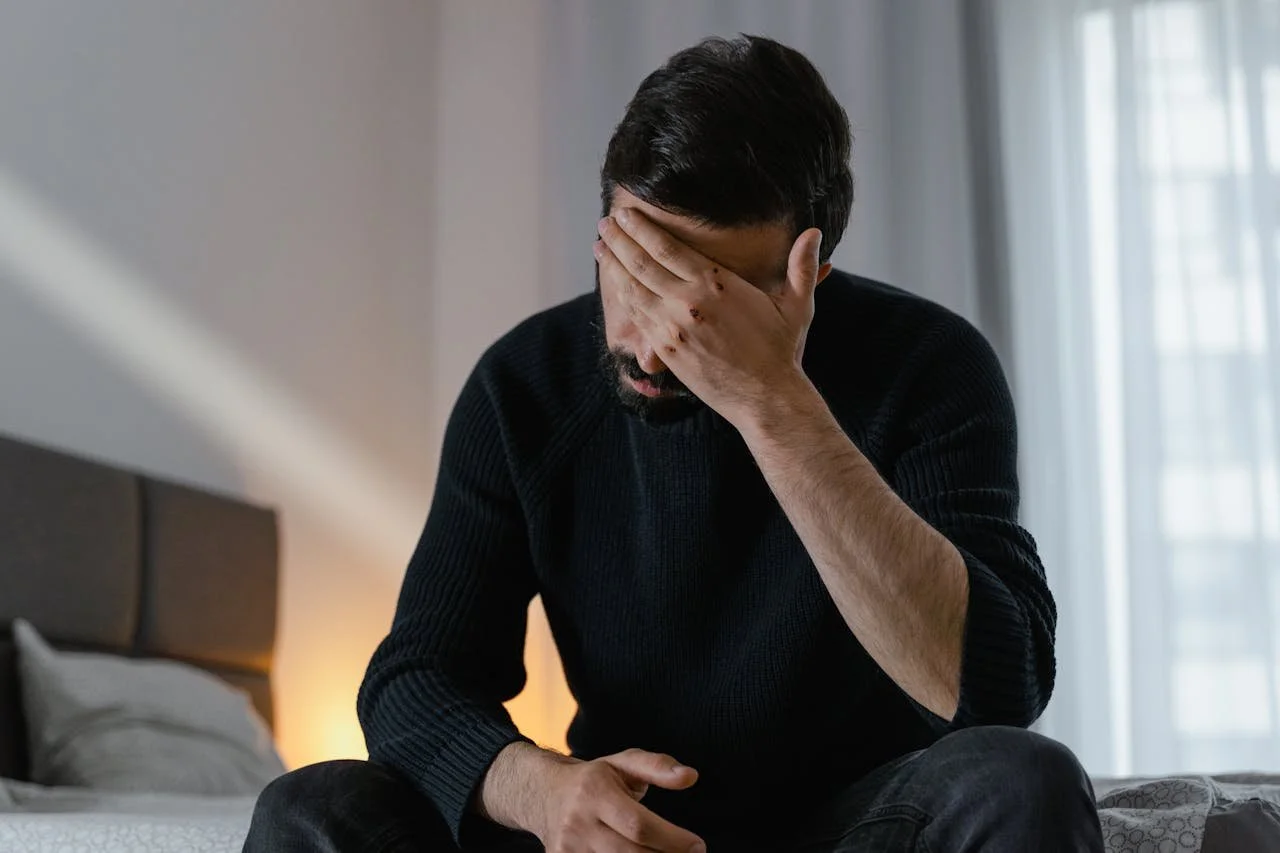
Behind the Badge of Strength: Emotional Weaknesses Men in Power Rarely Talk About

Men in positions of power are often expected to be the most composed people in the room. They make difficult decisions, carry heavy responsibility, and project confidence even in moments of uncertainty. But behind the badge of strength, many of these men are dealing with emotional struggles they rarely talk about. Stress, anxiety, burnout, and addiction can develop quietly beneath a successful exterior, often going unnoticed until they begin to affect health, relationships, and overall well-being. Recognizing these emotional vulnerabilities is not about diminishing strength. It is about understanding what real, sustainable strength actually looks like.

The Pressure Behind the Image of Strength

Leadership often comes with an unspoken expectation: stay strong no matter what. Over time, this expectation can lead men to suppress emotions and ignore internal stress.

Why Emotional Vulnerability Gets Hidden

Many men in power learn early that showing emotional struggle may be seen as weakness. As a result, they develop habits of pushing through stress rather than addressing it.

Common reasons emotional struggles stay hidden include:

  • Fear of losing respect or authority
  • Pressure to always appear confident
  • Lack of safe spaces for emotional honesty
  • Belief that they should handle everything alone

While these patterns may support short term performance, they can create long term emotional strain.

Emotional Weaknesses That Often Go Unnoticed

Emotional weaknesses are not flaws in character. They are human responses to sustained pressure and unresolved stress. In men at the top, these often appear in subtle but impactful ways.

Stress Accumulation and Burnout

Chronic stress is one of the most common challenges in leadership roles. Long hours, high expectations, and constant responsibility can lead to emotional exhaustion. Over time, this can develop into burnout, where motivation and clarity begin to fade.

Symptoms may include:

  • Fatigue that does not improve with rest
  • Difficulty focusing or making decisions
  • Irritability or emotional detachment
  • Loss of interest in work or relationships

When Coping Turns Into Dependency

When emotional pressure builds without healthy outlets, some men turn to substances as a way to cope. Alcohol or prescription medications may provide temporary relief, but they do not address the root cause of stress.

The Cycle Between Stress and Substance Use

What often begins as occasional relief can develop into dependency. This cycle can be difficult to recognize because many men continue functioning at a high level professionally while struggling internally.

The pattern often includes:

  • Increasing stress and emotional overload
  • Using substances to unwind or disconnect
  • Temporary relief followed by returning stress
  • Gradual increase in reliance over time

Without intervention, this cycle can deeply affect mental and physical health.

The Importance of Mental Health Treatment

Addressing emotional vulnerability requires more than willpower. It requires support, structure, and professional care. At Deer Lodge Golf, treatment is designed to help individuals understand both emotional challenges and substance use patterns.

Individualized Inpatient and Outpatient Care

Every person’s experience is different. That is why Deer Lodge Golf offers personalized inpatient and outpatient programs tailored to each client’s needs.

These programs help individuals:

  • Identify emotional triggers and stress patterns
  • Develop healthy coping strategies
  • Improve emotional awareness and communication
  • Rebuild balance in personal and professional life

This individualized approach ensures care is practical, supportive, and sustainable.

Holistic and Faith Based Healing Approaches

Healing involves more than addressing symptoms. It requires restoring balance across mind, body, and spirit. Deer Lodge Golf integrates holistic and faith based approaches to support long term recovery.

Supporting the Whole Person in Recovery

Holistic care may include mindfulness practices, wellness routines, counseling, and reflective therapies that help individuals reconnect with themselves. Faith based support can also provide meaning, grounding, and emotional strength during recovery.

By addressing all aspects of well-being, individuals are better equipped to maintain lasting change.

Reframing What Strength Really Means

True strength is not the absence of struggle. It is the ability to recognize it, address it, and seek help when needed. Men in positions of power who engage in mental health treatment often find improved clarity, stronger relationships, and a healthier sense of balance.

Taking the First Step Toward Healing

Behind every badge of strength is a human being who deserves support. Emotional struggles, stress, and addiction do not have to be faced alone. Deer Lodge Golf offers compassionate, client centered care through addiction recovery, mental health treatment, inpatient and outpatient programs, and holistic healing approaches.

If you or someone you care about is struggling beneath the surface of success, reaching out for help can be the first step toward real recovery. Healing begins when strength is redefined as the courage to seek support and build a healthier future.

When Leadership Feels Lonely: Recognizing the Mental Health Risks Facing Men in Authority

Leadership is often associated with confidence, control, and success. Men in positions of authority are expected to make difficult decisions, stay composed under pressure, and guide others through uncertainty. Yet behind the appearance of strength, many leaders quietly experience loneliness, stress, and emotional strain. When these feelings go unrecognized or unspoken, they can develop into serious mental health challenges and increase the risk of substance use. Understanding the emotional risks of leadership is an important step toward prevention, healing, and recovery.

The Hidden Reality of Leadership Loneliness

While leadership can be rewarding, it can also be isolating. As responsibility increases, emotional distance from others often grows. Many men in authority feel they cannot fully express their struggles without affecting how they are perceived.

Why Leadership Can Feel Emotionally Isolating

Men in leadership roles often find themselves in positions where they must remain strong for others. This expectation can make it difficult to seek support or share personal challenges.

Common causes of leadership loneliness include:

  • Pressure to always appear confident and in control
  • Limited safe spaces to express vulnerability
  • High responsibility with few emotional outlets
  • Fear of judgment or loss of respect

Over time, this emotional distance can create a sense of isolation, even in environments filled with people.

The Mental Health Risks of Isolation

Loneliness in leadership is more than an emotional experience. It can have real effects on mental health and overall well-being. Without support, stress can accumulate and become more difficult to manage.

Stress, Anxiety, and Burnout in High Pressure Roles

Chronic stress is common among men in authority. When combined with isolation, it can lead to anxiety, burnout, and emotional exhaustion. Many individuals continue functioning at a high level professionally while privately struggling with fatigue, irritability, and loss of motivation.

Without intervention, these symptoms can intensify and impact both personal and professional life.

When Coping Becomes Unhealthy

In an effort to manage stress and loneliness, some men turn to alcohol, prescription medications, or other substances. While these may offer temporary relief, they do not address the underlying emotional challenges.

The Path From Stress to Addiction

Substance use often begins as a coping mechanism. However, over time, it can develop into dependency, especially when emotional isolation continues.

This cycle may include:

  • Increasing stress and emotional pressure
  • Using substances to relax or disconnect
  • Temporary relief followed by returning stress
  • Gradual increase in frequency of use

Recognizing this pattern early is essential for effective recovery.

Understanding the Importance of Mental Health Treatment

Mental health support provides a safe space for men to address the emotional challenges that come with leadership. At Deer Lodge Golf, treatment is designed to support both mental health and addiction recovery through compassionate, individualized care.

Personalized Inpatient and Outpatient Care

Every individual’s experience is different, which is why treatment must be tailored to personal needs. Deer Lodge Golf offers both inpatient and outpatient programs that provide structure, flexibility, and ongoing support.

These programs help clients:

  • Understand the connection between stress and emotional health
  • Develop healthier coping strategies
  • Improve communication and emotional awareness
  • Rebuild balance between leadership and personal life

This personalized approach supports meaningful and long term recovery.

Holistic and Faith Based Healing Approaches

Recovery is most effective when it supports the whole person. Deer Lodge Golf integrates holistic and faith based approaches that promote emotional, physical, and spiritual healing.

Restoring Balance and Purpose

Holistic care may include mindfulness practices, physical wellness routines, counseling, and reflective therapies that help individuals reconnect with themselves. Faith based support can also provide comfort, meaning, and strength during the healing process.

Together, these approaches help build resilience and long term emotional stability.

Reconnecting With Strength and Support

True leadership strength is not about carrying everything alone. It is about recognizing when support is needed and taking steps toward healing. When men begin to address emotional isolation, they often experience improved clarity, stronger relationships, and better overall well-being.

Taking the First Step Toward Healing

Leadership does not have to feel lonely. Support is available, and healing is possible. Deer Lodge Golf offers compassionate addiction recovery and mental health treatment through inpatient, outpatient, holistic, and faith based programs tailored to individual needs.

If you or someone you care about is struggling with stress, isolation, or substance use, reaching out for help is the first step toward recovery. With the right support, it is possible to restore balance, rebuild connection, and move forward with renewed strength.

Holding It All Together: How Emotional Suppression Can Lead to Addiction in Men at the Top

Men in leadership positions are often expected to stay composed no matter what is happening around them. They are the ones others rely on during crisis, uncertainty, and pressure. While this ability to “hold it all together” can be a strength in professional settings, it can also become emotionally harmful when it turns into constant suppression of feelings. Over time, unspoken stress, anxiety, and emotional fatigue do not disappear. Instead, they build quietly in the background and can contribute to burnout, mental health struggles, and addiction.

The Hidden Habit of Emotional Suppression

Many men in positions of power learn early that showing emotion is not always acceptable in leadership environments. As a result, they become skilled at pushing feelings aside to stay focused and productive.

Why Suppressing Emotions Becomes Normal

Emotional suppression often develops gradually. It can start as a way to stay professional or avoid conflict, but eventually becomes a default coping strategy. Many men do not realize how much they are holding in until the pressure becomes overwhelming.

Common patterns include:

  • Ignoring stress to maintain productivity
  • Avoiding conversations about emotional well-being
  • Downplaying anxiety or exhaustion
  • Staying constantly busy to avoid internal reflection

While these behaviors may help in the short term, they often prevent healthy emotional processing.

The Connection Between Suppression and Stress Overload

Emotions that are not acknowledged do not simply go away. Instead, they often show up as chronic stress, irritability, or emotional numbness. Over time, the body and mind begin to carry more pressure than they can comfortably manage.

When Stress Becomes Chronic Burnout

Chronic stress can impact sleep, concentration, and decision making. Many men in leadership roles continue functioning at a high level professionally while privately experiencing exhaustion. This disconnect between external success and internal strain is one of the most overlooked aspects of burnout.

Without support, burnout can progress into emotional detachment and a loss of motivation.

How Emotional Suppression Can Lead to Addiction

When stress becomes too heavy to manage internally, some men turn to external coping mechanisms. Alcohol, prescription medications, or other substances may feel like a way to relax, disconnect, or regain control.

The Cycle of Temporary Relief

Substances often provide short term relief from emotional pressure. However, they do not address the root cause of stress. Over time, reliance can increase, leading to dependency and addiction.

The cycle often looks like this:

  • Emotional stress builds up
  • Substances are used for relief
  • Temporary calm is experienced
  • Stress returns, often stronger than before
  • Use becomes more frequent over time

This cycle can be difficult to break without professional support.

Understanding Addiction in High Performing Men

Addiction does not always disrupt outward success. Many men at the top continue performing well in their careers while privately struggling. This is often referred to as high functioning addiction.

Why It Often Goes Unnoticed

Because responsibilities are still being met, warning signs may be overlooked by colleagues, friends, and even family members. However, internal struggles may still be growing.

Signs may include:

  • Increased reliance on substances to manage stress
  • Emotional withdrawal from relationships
  • Irritability or mood changes
  • Difficulty relaxing without external help
  • Feeling disconnected despite success

Recognizing these signs early can make recovery more effective.

The Role of Mental Health Treatment in Recovery

Recovery begins with understanding the connection between emotional suppression and substance use. At Deer Lodge Golf, treatment is designed to support both mental health and addiction recovery through compassionate, individualized care.

Personalized Inpatient and Outpatient Programs

Every individual experiences stress and addiction differently. That is why treatment must be tailored to each person’s needs. Deer Lodge Golf offers both inpatient and outpatient programs that provide structure, support, and flexibility depending on the level of care required.

These programs help clients:

  • Identify emotional triggers and patterns
  • Develop healthier coping strategies
  • Improve emotional awareness and communication
  • Rebuild balance in personal and professional life

Holistic and Faith Based Healing Approaches

True recovery supports the whole person. In addition to clinical treatment, Deer Lodge Golf integrates holistic and faith based approaches that encourage deeper healing.

Supporting Mind, Body, and Spirit

Holistic care may include mindfulness practices, wellness routines, counseling, and reflective therapies that promote emotional balance. Faith based support can also provide meaning, grounding, and strength during recovery.

Together, these approaches help individuals build resilience beyond treatment.

Relearning What Strength Really Means

True strength is not about suppressing emotions or carrying everything alone. It is about awareness, honesty, and the willingness to seek support when needed. Men who begin to address emotional suppression often experience stronger relationships, clearer thinking, and improved overall well-being.

Taking the First Step Toward Healing

Holding everything together can eventually become too heavy to manage alone. Emotional suppression does not need to lead to addiction or burnout. With the right support, healing is possible.

Deer Lodge Golf offers compassionate, client-centered care through addiction recovery, mental health treatment, inpatient and outpatient programs, and holistic healing approaches.

If you or someone you care about is struggling beneath the surface, reaching out for help is the first step toward recovery. Real strength begins with support, understanding, and the decision to no longer carry everything alone.

Behind Success and Status: The Emotional Challenges Many Men in Power Never Talk About

Success and status often come with admiration, respect, and influence. Men in positions of power are frequently viewed as confident leaders who can handle anything. Yet behind achievements and public recognition, many are quietly facing emotional challenges that rarely get discussed. Stress, anxiety, burnout, and substance use can build beneath the surface while life continues to look successful on the outside. Understanding these hidden struggles is essential for supporting mental health, preventing addiction, and encouraging meaningful recovery.

The Pressure Behind Success

High achievement often requires long hours, constant decision making, and the ability to perform under pressure. While these demands can build strong leaders, they can also create emotional strain that is easy to overlook.

Why Emotional Struggles Stay Hidden

Many men in power feel they must maintain a certain image. Vulnerability is often seen as weakness, especially in competitive or high responsibility environments. As a result, emotional struggles are often pushed aside or minimized.

Common reasons these challenges remain unspoken include:

  • Fear of losing respect or authority
  • Pressure to always appear confident and capable
  • Belief that personal struggles should stay private
  • Lack of time or space to process emotions

When emotions are ignored, they do not disappear. Instead, they accumulate and grow more difficult to manage over time.

The Emotional Cost of Constant Performance

Sustaining success requires energy, focus, and resilience. However, when performance becomes constant, it can lead to emotional exhaustion.

Stress, Burnout, and Disconnection

Chronic stress can affect both mental and physical health. Men may begin to experience fatigue, irritability, reduced focus, or difficulty sleeping. Over time, this can develop into burnout, where motivation and emotional engagement decrease significantly.

At the same time, many men begin to feel disconnected from relationships. Work may take priority, leaving less time for family, friendships, and personal well-being. This emotional distance can increase feelings of isolation.

When Coping Becomes a Risk

To manage stress, some men turn to alcohol or prescription medications. While these may provide temporary relief, they do not address the underlying emotional challenges. Instead, they can create dependency and additional mental health concerns.

High Functioning Addiction in Successful Men

Addiction does not always appear in obvious ways. Many men in positions of power continue performing well in their careers while privately struggling with substance use. This is often referred to as high functioning addiction.

Warning signs may include:

  • Relying on substances to unwind or sleep
  • Increasing emotional numbness or detachment
  • Difficulty managing stress without external support
  • Strained relationships despite outward success

Recognizing these patterns early can make recovery more effective and less overwhelming.

The Importance of Mental Health Treatment

Mental health treatment provides a structured and supportive environment where men can begin to understand and address the root causes of their struggles. At Deer Lodge Golf, care is designed to support both mental health and addiction recovery through individualized approaches.

Personalized Inpatient and Outpatient Care

Every individual’s experience is different. That is why personalized treatment is essential. Deer Lodge Golf offers both inpatient and outpatient programs to meet clients where they are in their recovery journey.

These programs help individuals:

  • Identify emotional triggers and stress patterns
  • Develop healthier coping strategies
  • Improve emotional awareness and communication
  • Restore balance between work and personal life

This tailored approach ensures that treatment is both practical and sustainable.

Holistic and Faith Based Healing Support

Recovery is most effective when it addresses the whole person. Deer Lodge Golf integrates holistic and faith based approaches that support emotional, physical, and spiritual healing.

Restoring Balance Through Whole Person Care

Holistic therapies may include mindfulness practices, structured wellness routines, counseling, and reflective exercises that help individuals reconnect with themselves. Faith based support can also provide meaning, grounding, and emotional strength during recovery.

By addressing every aspect of well-being, clients are better equipped to build long-term resilience.

Rebuilding Connection and Emotional Strength

True success is not just about achievement. It is also about emotional well-being and meaningful relationships. When men begin addressing their internal struggles, they often experience improved clarity, stronger connections, and a renewed sense of purpose.

Taking the First Step Toward Healing

Behind success and status, many men are carrying emotional burdens in silence. These struggles do not have to be faced alone. Deer Lodge Golf offers compassionate, client-centered care that combines mental health treatment, addiction recovery, and holistic healing approaches tailored to individual needs.

If you or someone you care about is struggling behind the appearance of success, reaching out for help can be the first step toward lasting change. Recovery begins with support, understanding, and the decision to prioritize mental health and well-being.

The Weight of Authority: Why Powerful Men Often Struggle With Mental Health in Silence

Men in positions of authority are often seen as steady, confident, and emotionally resilient. They make high-stakes decisions, manage teams, and carry responsibilities that affect many lives. Yet behind the appearance of control, many powerful men are quietly struggling with stress, anxiety, burnout, and addiction. The pressure to stay composed often leads them to suffer in silence, where emotional challenges grow unchecked. Understanding this hidden struggle is essential for promoting mental health awareness and guiding men toward recovery and healing.

The Silent Pressure Behind Leadership

Authority brings responsibility, but it also brings constant pressure. Men in leadership roles are expected to remain strong even in moments of uncertainty or emotional strain. Over time, this expectation can create a pattern of emotional suppression.

Why Men Avoid Speaking About Mental Health

Many men in authority fear that showing vulnerability will weaken how others perceive them. As a result, they often internalize stress instead of addressing it. This silence is not a lack of awareness. It is often a learned response shaped by workplace culture, social expectations, and personal beliefs about strength.

Common reasons men struggle to speak up include:

  • Fear of appearing weak or incapable
  • Concern about professional consequences
  • Belief that they should handle problems alone
  • Difficulty recognizing emotional strain early

When these beliefs go unchallenged, mental health concerns often deepen over time.

The Emotional Cost of Constant Control

Maintaining control is a central part of leadership, but it can also become emotionally exhausting. When men feel they must always be in charge, they may disconnect from their own emotional needs.

Stress, Burnout, and Emotional Isolation

Unchecked stress can lead to burnout, which affects both mental and physical health. Men may experience fatigue, irritability, loss of motivation, or emotional numbness. At the same time, they may withdraw from relationships, creating isolation that makes it even harder to seek support.

Without intervention, this cycle of stress and isolation can become overwhelming.

When Coping Turns Into Dependency

In many cases, men in leadership roles turn to substances as a way to manage pressure. Alcohol or prescription medications may seem like a temporary solution for stress or anxiety, but over time, they can create dependency.

The Hidden Nature of Addiction in High Achievers

Addiction in successful men often goes unnoticed because they continue meeting professional expectations. This is known as high functioning addiction. While external success may remain intact, internal struggles can become more severe.

Signs may include:

  • Increasing reliance on substances to relax
  • Difficulty managing stress without external help
  • Emotional withdrawal from family or colleagues
  • Declining mental clarity or decision-making ability

Recognizing these signs early is critical for recovery.

How Mental Health Treatment Supports Recovery

Healing begins when men are given a safe space to address both emotional and behavioral challenges. At Deer Lodge Golf, treatment focuses on understanding the root causes of mental health struggles and addiction, not just the symptoms.

Individualized Care for Lasting Change

Every individual experiences stress and pressure differently. That is why personalized treatment is essential. Deer Lodge Golf offers both inpatient and outpatient programs designed to meet clients where they are in their recovery journey.

Treatment helps clients:

  • Understand emotional triggers and stress patterns
  • Develop healthy coping strategies
  • Rebuild emotional awareness and communication skills
  • Restore balance in personal and professional life

This individualized approach supports meaningful and sustainable recovery.

Holistic and Faith Based Healing Approaches

Recovery is most effective when it addresses the whole person. Deer Lodge Golf integrates holistic therapies that support mental, physical, and spiritual well-being.

Restoring Balance Through Comprehensive Care

Holistic practices may include mindfulness, structured wellness routines, counseling, and reflective therapies. Faith based support can also provide purpose, comfort, and emotional grounding during recovery.

By combining clinical care with holistic healing, clients are supported on every level of their recovery journey.

Rebuilding Strength Through Support

True strength is not about suffering in silence. It is about recognizing when support is needed and taking steps toward healing. Men in authority who seek help often find that emotional clarity improves leadership, relationships, and overall quality of life.

Taking the First Step Toward Healing

The weight of authority does not have to be carried alone. Men struggling with stress, emotional exhaustion, or substance use can find support and recovery through professional care. Deer Lodge Golf offers compassionate, client-centered treatment that integrates mental health care, addiction recovery, holistic healing, and faith based approaches.

If you or someone you care about is struggling in silence, reaching out for help is the first step toward recovery. Healing begins with support, understanding, and the decision to no longer face the burden alone.

Under Pressure: How Men in Leadership Roles Cope With Stress, Isolation, and Emotional Burnout

Men in positions of authority often carry more than professional responsibility. They carry expectations to remain composed, decisive, and emotionally steady no matter how much pressure they face. While leadership can be rewarding, it can also become emotionally isolating. Many men at the top silently struggle with stress, anxiety, burnout, and substance use while continuing to appear successful on the outside. Breaking the mask of constant strength is not about losing authority. It is about recognizing the importance of mental health, emotional balance, and recovery before hidden struggles become overwhelming.

The Emotional Pressure of Leadership

Leadership roles demand constant performance. Whether managing a business, leading a team, or supporting a family, men in authority often feel responsible for keeping everything together. Over time, this pressure can create emotional exhaustion that is difficult to acknowledge openly.

Why Men in Authority Often Stay Silent

Many men are conditioned to believe that vulnerability is weakness. As a result, they may avoid discussing emotional stress or seeking professional support. Instead of addressing what they are feeling, they push forward and try to manage everything alone.

This silence can lead to:

  • Chronic stress and anxiety
  • Emotional disconnection from loved ones
  • Difficulty sleeping or relaxing
  • Increased irritability or frustration
  • Dependence on alcohol or substances to cope

When emotional struggles remain hidden, they often intensify over time.

The Connection Between Stress and Addiction

Stress alone does not always lead to addiction, but untreated emotional strain can increase the risk. Some men begin using alcohol, prescription medications, or other substances as a way to temporarily escape pressure or regain a sense of control.

High Functioning Addiction Can Be Difficult to Recognize

Men in leadership positions may continue succeeding professionally while privately struggling with substance use. Because they are still meeting responsibilities, warning signs are often overlooked. However, addiction can slowly affect physical health, relationships, emotional stability, and long-term well-being.

Recognizing the connection between stress and substance use is a critical step toward healing.

Understanding the Importance of Mental Health Treatment

Mental health challenges do not discriminate based on status or success. Anxiety, depression, burnout, and emotional exhaustion can affect anyone, including men who appear strong and accomplished.

The Value of Individualized Care

At Deer Lodge Golf, treatment is designed around the individual rather than a one-size-fits-all approach. Every person experiences stress and addiction differently, which is why personalized care is essential for meaningful recovery.

Both inpatient and outpatient programs provide support that helps clients:

  • Understand the root causes of stress and addiction
  • Develop healthier coping strategies
  • Improve emotional awareness
  • Restore personal and professional balance
  • Rebuild trust in relationships

This comprehensive approach supports healing on every level.

Holistic and Faith Based Healing Approaches

Recovery involves more than overcoming substance use. It is about rebuilding a healthier and more grounded life. Deer Lodge Golf incorporates holistic therapies that support emotional, physical, and spiritual wellness.

Supporting the Whole Person

Holistic recovery may include mindfulness practices, wellness routines, counseling, and reflective therapies that help individuals reconnect with themselves. Faith based support can also provide comfort, purpose, and emotional strength during the healing process.

By addressing the mind, body, and spirit together, clients are better equipped to maintain long-term recovery and emotional resilience.

Rebuilding Relationships and Emotional Connection

Stress and addiction can create emotional distance between men and the people closest to them. Family members, friends, and colleagues may feel disconnected or unsure how to help.

Learning to Communicate With Honesty

Therapy and support programs help men rebuild communication skills and emotional trust. As individuals become more aware of their thoughts and behaviors, they often experience stronger relationships and a renewed sense of connection.

Healing is not only about personal recovery. It is also about restoring meaningful relationships and improving overall quality of life.

Taking the First Step Toward Healing

Breaking the mask of constant strength takes courage, but it can lead to lasting transformation. Men in authority do not have to carry stress, emotional exhaustion, or addiction alone. Professional support can provide the tools, guidance, and compassion needed to begin healing.

Deer Lodge Golf offers client-centered addiction recovery and mental health treatment through holistic, faith based, inpatient, and outpatient care. If you or someone you love is struggling with stress or substance use, reaching out today could be the first step toward a healthier future built on balance, connection, and lasting recovery.

The Silent Cost of Power: How Leaders’ Emotional Blind Spots Affect Health and Relationships

Power and leadership often come with respect, influence, and achievement. Yet beneath these visible rewards lies a quieter reality that many men experience but rarely discuss. Emotional blind spots, formed through years of pressure and expectation, can slowly affect mental health, physical well-being, and personal relationships. When these challenges go unrecognized, they can lead to deeper struggles, including chronic stress and substance use. Understanding the silent cost of power is an important step toward healing, balance, and lasting recovery.

What Are Emotional Blind Spots in Leadership

Emotional blind spots are the thoughts, feelings, and behaviors that go unnoticed or unacknowledged. For men in positions of authority, these blind spots often develop as a way to maintain control and meet expectations.

How Blind Spots Form Over Time

Leaders are frequently required to prioritize results over emotions. This can lead to habits such as ignoring stress, minimizing personal struggles, or avoiding difficult conversations about mental health. Over time, these patterns become automatic. As a result, many men lose touch with their emotional needs without realizing it.

Common emotional blind spots include:

  • Dismissing stress as a normal part of success
  • Avoiding vulnerability in personal and professional settings
  • Relying heavily on control to manage uncertainty
  • Overlooking the impact of stress on relationships

These patterns may seem harmless at first, but they can gradually affect overall well-being.

The Impact on Mental and Physical Health

Unaddressed emotional strain can take a serious toll on health. Chronic stress is closely linked to anxiety, depression, fatigue, and sleep disturbances. When left unmanaged, it can also contribute to physical issues such as high blood pressure and weakened immunity.

When Coping Turns Into Risk

Without healthy outlets, some men turn to alcohol or prescription medications to cope. These behaviors may offer temporary relief, but they often mask deeper issues. Over time, this pattern can develop into addiction, making recovery more complex and urgent.

How Relationships Are Affected

Emotional blind spots do not only affect the individual. They also impact relationships with family, friends, and colleagues. When men struggle to recognize or express emotions, communication can break down.

Disconnection and Misunderstanding

Partners and loved ones may feel shut out or confused by emotional distance. Small misunderstandings can grow into larger conflicts. In professional settings, lack of emotional awareness can affect team dynamics and trust. Over time, isolation can increase, reinforcing the cycle of stress and disconnection.

The Role of Comprehensive Treatment

Recognizing emotional blind spots is a powerful step toward change. At Deer Lodge Golf, treatment focuses on both mental health and addiction recovery, helping individuals understand the root causes of their struggles.

Personalized Inpatient and Outpatient Care

Every person’s experience is unique. Deer Lodge Golf offers individualized treatment plans through both inpatient and outpatient programs. These options provide structured support, therapy, and guidance based on each client’s needs and circumstances.

Holistic and Faith Based Healing

Healing involves more than addressing symptoms. Holistic care supports the mind, body, and spirit through practices such as mindfulness, physical wellness, and reflective therapies. Faith based approaches can offer additional strength and meaning, helping individuals reconnect with their values and purpose.

Building Awareness and Lasting Change

Recovery is not about eliminating stress entirely. It is about learning how to respond to it in healthy ways. Through therapy and support, men can develop greater emotional awareness, improve communication, and rebuild meaningful relationships.

Practical Steps Toward Growth

Men in leadership can begin addressing emotional blind spots by:

  • Taking time to reflect on stress and emotional responses
  • Seeking professional support when challenges arise
  • Reconnecting with trusted relationships
  • Practicing healthy coping strategies such as mindfulness or physical activity

These steps can create a strong foundation for long-term well-being and resilience.

Moving Forward With Strength and Support

The silent cost of power does not have to define a man’s life. Emotional awareness, support, and professional care can lead to meaningful change. Deer Lodge Golf provides compassionate, client-centered treatment that integrates addiction recovery, mental health care, and holistic healing approaches.

If you or someone you love is struggling with stress, emotional disconnection, or substance use, reaching out is the first step toward recovery. With the right support, it is possible to restore balance, strengthen relationships, and build a healthier future grounded in both strength and self-awareness.

When Strength Becomes Isolation: The Risks of Ignoring Weakness in Men at the Top

Addiction rarely affects only one person. It spreads through families, reshaping relationships, communication patterns, and emotional stability. In the middle of this struggle, families often search for something that brings balance, clarity, and hope. Holistic recovery offers that pathway by treating the whole person and recognizing that healing is most effective when families heal together, not in isolation.

At Dare To Recover, we provide comprehensive addiction recovery services that include mental health treatment, inpatient and outpatient care, and individualized holistic and faith-based approaches. Our focus is on long-term healing that supports both individuals and families, because recovery is strongest when it becomes a shared process.

What the Healing Circle Means in Family Recovery

A Whole-Person Approach to Healing

The healing circle represents a complete approach to recovery. Instead of focusing only on substance use, holistic care addresses emotional health, mental clarity, physical well-being, and spiritual growth. Each of these areas plays a role in how a person experiences recovery and how a family learns to heal together.

When one area is ignored, recovery can feel incomplete. However, when all areas are supported, individuals and families gain a stronger foundation for lasting change.

Why Families Are Part of the Healing Process

Families are deeply affected by addiction. They often carry emotional stress, confusion, and fear while trying to support their loved one. Holistic recovery recognizes that families also need healing tools, not just guidance.

When families are included in treatment, they learn how to manage emotions, rebuild trust, and communicate in healthier ways. This shared healing creates stronger relationships and more sustainable recovery outcomes.

Core Elements of Holistic Recovery That Support Families

Emotional Healing and Mindfulness

Mindfulness is a key part of holistic care. It helps individuals and families become more aware of their thoughts and emotions without reacting impulsively. This creates space for calmer conversations and healthier responses during stressful moments.

Simple practices such as deep breathing, reflection, or guided meditation can reduce tension and improve emotional stability within the home.

Physical Wellness and Lifestyle Balance

Physical health is closely tied to emotional recovery. Sleep, nutrition, and movement all influence mood and stress levels. Families who adopt healthier routines together often experience improved energy, reduced conflict, and a stronger sense of connection.

Even small changes, such as shared meals or evening walks, can create meaningful improvements in family dynamics.

Spiritual and Faith-Based Support

For many families, spiritual growth plays an important role in healing. Faith-based support can offer comfort, hope, and direction during difficult stages of recovery. It helps families find meaning in their journey and strengthens resilience when challenges arise.

Spiritual practices do not replace clinical treatment. Instead, they enhance it by providing emotional grounding and a sense of purpose.

How Holistic Care Supports Inpatient and Outpatient Treatment

Inpatient Care for Deep Healing

Inpatient treatment provides a structured and supportive environment where individuals can focus fully on recovery. When holistic practices are included, such as therapy, mindfulness, and emotional support, the healing process becomes more balanced and effective.

Families are often involved through counseling and education sessions that help them understand how to support their loved one in a healthy and informed way.

Outpatient Care for Real-Life Integration

Outpatient programs allow individuals to continue recovery while returning to daily life. This stage is important because it helps people apply what they have learned in real situations.

Families play a central role during outpatient care by reinforcing healthy habits at home, maintaining communication, and supporting ongoing emotional growth.

Practical Ways Families Can Strengthen the Healing Circle

Build Consistent Family Routines

Simple routines such as shared meals, weekly check-ins, or daily conversations help create stability. These routines rebuild trust and encourage connection.

Practice Open and Calm Communication

Healthy communication is essential in recovery. Families who focus on listening, patience, and honesty create a safer emotional environment for healing.

Celebrate Progress, Not Perfection

Recovery is not a straight path. Families that recognize progress, even in small steps, help reduce pressure and encourage continued growth.

Conclusion: Healing Together Through the Power of Holistic Recovery

The healing circle is strongest when families are included in the recovery process. Holistic care provides the tools needed to address emotional, physical, and spiritual needs, helping families reconnect and grow stronger together. When combined with professional treatment and compassionate support, recovery becomes more stable and meaningful.

At Dare To Recover, we are committed to guiding individuals and families through every stage of this journey. Our personalized programs, mental health services, and holistic approach are designed to support lasting healing and real transformation.

If you or a loved one is struggling with addiction, reach out today. With the right support, your family can become a complete healing circle built on strength, understanding, and hope.

Behind the Title: How Stress and Pressure Affect Men in Authority

Men in positions of authority are often seen as steady, composed, and capable of handling anything that comes their way. They make decisions under pressure, lead teams through uncertainty, and carry responsibility that affects many lives. Yet behind the title, many of these men are quietly dealing with stress, emotional fatigue, and mental health challenges that are rarely seen or acknowledged. Over time, this internal strain can impact relationships, well-being, and even lead to substance use as a coping mechanism. Understanding these pressures is essential for supporting healthier leadership and long-term recovery.

The Weight of Leadership Expectations

Leadership comes with constant demands. Men in authority are expected to remain focused, confident, and in control, even during moments of intense stress. This expectation can make it difficult to express vulnerability or ask for help when things feel overwhelming.

When Pressure Becomes Chronic Stress

Short-term stress is manageable, but chronic stress is different. It builds slowly and often goes unnoticed until it starts affecting sleep, mood, and decision-making. Common signs include irritability, mental exhaustion, and feeling emotionally disconnected from others. Many men push through these symptoms, believing they are simply part of the job, but over time they can lead to burnout.

Emotional Suppression and Its Consequences

One of the most common challenges for men in authority is emotional suppression. They may feel that showing weakness could damage their credibility or leadership image. As a result, emotions are often ignored rather than processed.

The Hidden Emotional Toll

When emotions are consistently suppressed, they do not disappear. Instead, they can surface in unhealthy ways such as anxiety, depression, or emotional numbness. Some men may withdraw from relationships or lose interest in activities they once enjoyed. Others may begin relying on unhealthy coping strategies to manage internal pressure.

The Link Between Stress and Substance Use

High levels of unresolved stress can increase the risk of substance use. Alcohol or prescription medications may seem like a way to unwind or regain control, but over time they can create dependency. What begins as a coping mechanism can gradually develop into addiction, especially when underlying emotional challenges are not addressed.

Why Addiction Often Goes Unnoticed in High Achievers

Addiction in men with leadership roles is often hidden behind productivity and success. Because they continue to perform well professionally, the warning signs may be overlooked by others and even by themselves. This delay in recognition can make it harder to seek help until the situation becomes more serious.

How Recovery Begins

Recovery starts with awareness and the willingness to seek support. At Deer Lodge Golf, care is designed to help individuals understand the root causes of stress and substance use, not just the symptoms. Treatment focuses on healing the whole person through structured support and personalized care.

Comprehensive Mental Health and Addiction Treatment

Deer Lodge Golf offers inpatient and outpatient programs that allow individuals to receive the level of care that best fits their needs. These programs combine therapy, counseling, and medical support to help clients stabilize, reflect, and begin rebuilding healthier patterns.

Holistic and Faith-Based Healing Approaches

Recovery is more than stopping unhealthy behaviors. It is about rebuilding balance in every area of life. Holistic therapies such as mindfulness, physical wellness, and structured reflection help clients reconnect with themselves. Faith-based support can also provide meaning, grounding, and emotional strength during recovery.

Rebuilding Strength Through Support

True strength is not about ignoring struggle. It is about facing it with honesty and support. When men in authority begin to address stress and emotional challenges, they often discover a healthier and more sustainable way to lead. Relationships improve, clarity returns, and decision-making becomes more balanced.

Taking the First Step Toward Healing

If you or someone you care about is struggling with stress, emotional exhaustion, or substance use, help is available. Deer Lodge Golf provides compassionate, individualized care designed to support long-term healing through addiction recovery, mental health treatment, and holistic approaches.

Reaching out is not a sign of weakness. It is the beginning of recovery and a step toward a healthier, more grounded future.

The Hidden Struggles of Leadership: Understanding Emotional Vulnerabilities in Powerful Men

Men in leadership positions are often admired for their confidence, decisiveness, and apparent resilience. Yet beneath the surface of authority and success, many experience emotional vulnerabilities that remain hidden from colleagues, family, and even themselves. These struggles, if left unaddressed, can affect mental health, relationships, and overall well-being. Recognizing and addressing the hidden challenges of leadership is essential for promoting healthy coping, preventing addiction, and supporting long-term recovery.

The Pressure of Power and Authority

Leadership brings unique pressures. Every decision carries weight, and mistakes are often scrutinized. Men in positions of authority may feel they cannot show vulnerability without risking respect or credibility. This perceived need for invulnerability can lead to emotional suppression, where feelings of stress, anxiety, or self-doubt are ignored rather than processed.

How Emotional Blind Spots Form

When leaders consistently prioritize image and control, emotional blind spots often develop. These blind spots can include:

  • Avoiding discussions about stress or mental health
  • Over-reliance on perfectionism to maintain control
  • Suppression of feelings of self-doubt or anxiety
  • Isolation from friends, family, and supportive colleagues

Over time, these blind spots can escalate into more serious mental health issues, relational difficulties, or reliance on unhealthy coping mechanisms.

The Connection Between Leadership Stress and Addiction

Unaddressed emotional stress can lead some men to turn to substances such as alcohol, prescription medications, or other forms of escapism. While these behaviors may provide temporary relief, they rarely address the root causes of emotional strain. Addiction can emerge quietly, hidden behind professional success and social expectations, making early recognition and intervention crucial.

The Importance of Seeking Professional Support

Acknowledging the need for help is the first step toward recovery. Deer Lodge Golf provides a compassionate, client-centered environment where men can explore the underlying causes of stress, anxiety, or substance use. Personalized treatment plans focus on both mental health and addiction recovery, offering practical strategies for managing stress, building resilience, and restoring emotional balance.

Holistic and Faith-Based Approaches to Healing

Effective recovery addresses the whole person. Deer Lodge Golf integrates holistic therapies such as mindfulness practices, physical wellness routines, and spiritual guidance with traditional counseling. Faith-based programs provide additional support, helping men reconnect with their values, find purpose, and rebuild inner strength. Individualized inpatient and outpatient programs ensure that care is tailored to each client’s unique needs and circumstances.

Rebuilding Relationships and Emotional Awareness

Through therapy, group counseling, and holistic support, men can develop emotional awareness and healthier ways to process stress. These tools not only improve mental well-being but also strengthen relationships with family, friends, and colleagues. By learning to acknowledge and manage vulnerabilities, leaders can enhance both personal and professional effectiveness while reducing the risk of addiction.

Taking the First Step Toward Recovery

Emotional vulnerability is not a weakness but a pathway to lasting strength. Men struggling with stress, emotional challenges, or substance use can benefit from professional guidance and holistic support. Deer Lodge Golf offers individualized care that combines mental health treatment, addiction recovery, and faith-based therapies to support comprehensive healing.

If you or a loved one is experiencing the hidden struggles of leadership, reaching out for help can be life-changing. Professional support, personalized care, and holistic approaches empower men to reclaim balance, restore relationships, and achieve sustained well-being.